My Semester Project
For centuries labyrinths and mazes have been found in all cultures and at every
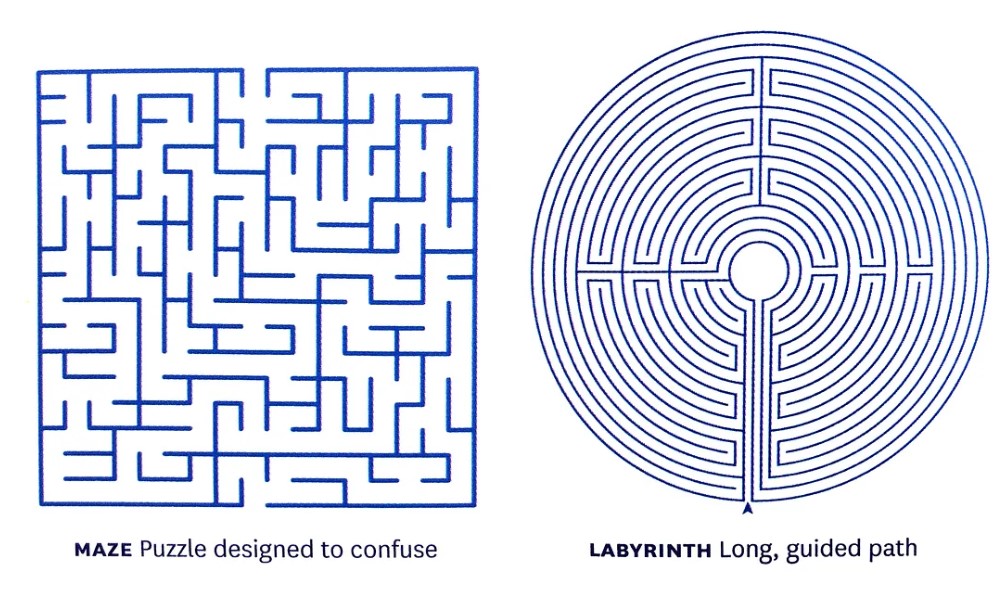
point of the world. Lets start by considering the differences between the two. In order for a puzzle containing
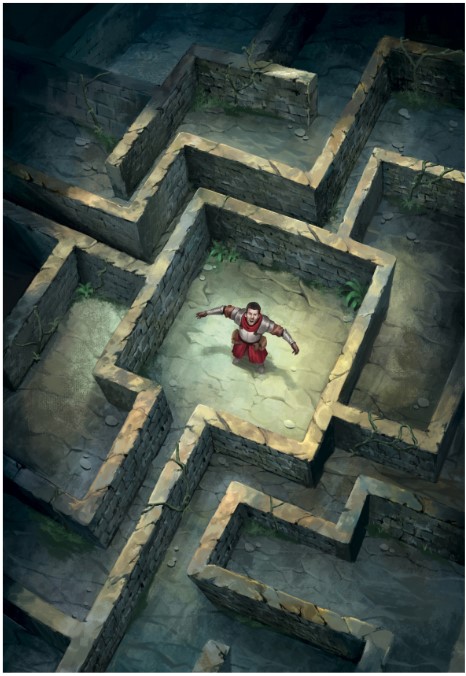
closed lines to be considered a maze it needs to have a start with an arbitrary set of choices that the user
makes to try to achieve an endpoint. Mazes need crossroads and someone to choose a path to follow, and because
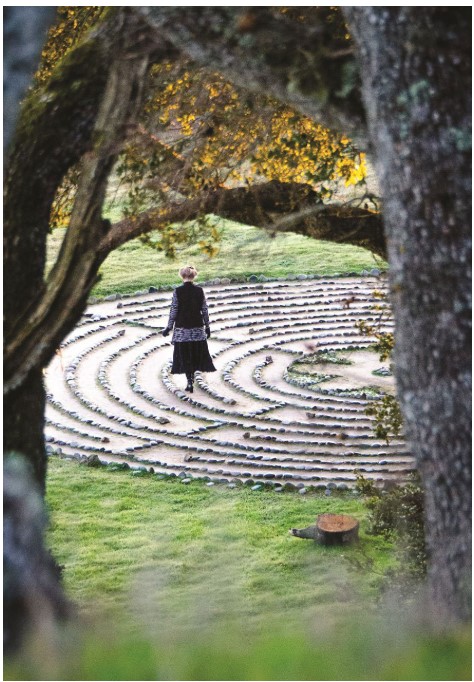
of this people would argue that they are more complex. Labyrinths on the other hand are a path to follow. They
wind and wind until you end up at the center. They do not offer the user a choice or multiple pathways. These
labyrinths have been categorized into three sections consisting of Roman, Classic, and Contemporary. Another
way to think about this is, The spiritual labyrinth is a meditative path laid out with careful artistic intent
to set you free, while the puzzling maze is a challenging structure designed to trick and entrap
(Pedersen & Singh, 2006, p. 2).
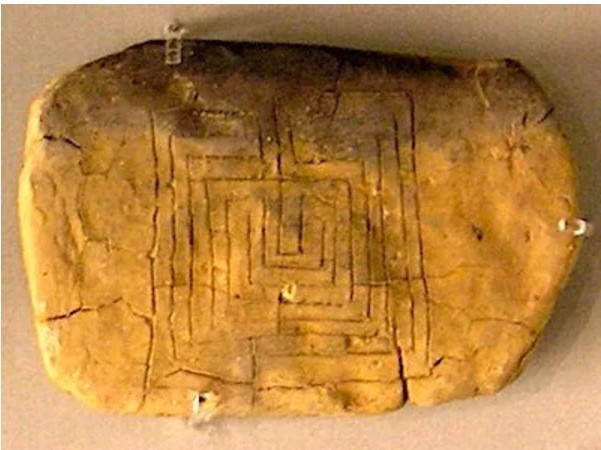
The first textbook maze we know is a Pylos clay tablet created 1200 BC (Knill, 2022, p. 1). This is exactly
what it sounds like. Some ancient person who cannot be named picked up a slab of clay and drew some straight
lines that created options for paths to follow. Although this was one of the earliest accounts of a maze, that
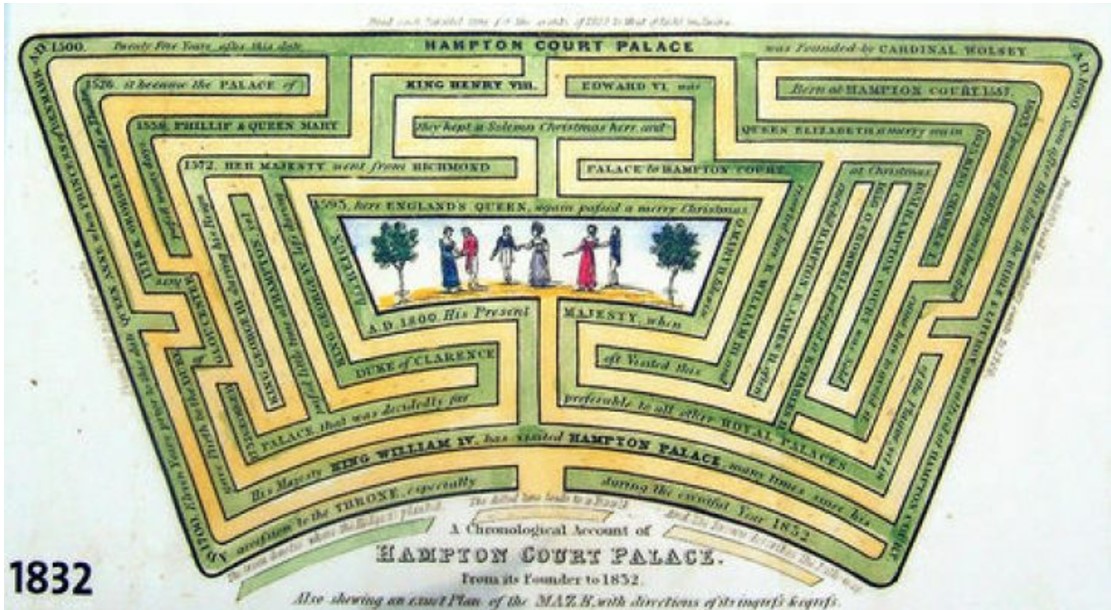
does not mean it is the greatest. There have been many great mazes made for entertainment, The most famous
example is the one at Hampton Court Palace, southwest of London, originally planted between 1690 and 1695
(Saward, 2006, p. 53). This historical site is in England and was created by King William III. The maze is
1/3rd of an acre, and holds a great history with it. Mazes have been used in art, architecture, mathematics,
and so much more. The history of this phenomenon is long, intricate and influential.
The history of labyrinths are similar to mazes but seem to have a more religious and supernatural background.
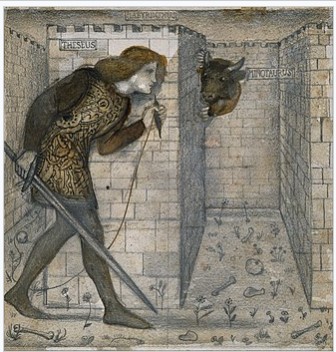
A well-known legend in Greek mythology tells of a labyrinth skillfully designed by an Athenian architect,
Daedalus, and later built as a prison for a Minotaur (a creature that is half man/half bull) from which no
one could escape after entering (Peel, 2004, p. 288). Another article states, The labyrinth was a temple
to the Sun-god and contained precincts for all the Egyptian gods. The religious and commemorative functions
of ancient labyrinths suggest another reason for complex structure: as protection, to impede access to sacred
places or to deny a quick escape to thieves or the sacrilegious (Doob, 2019, p. 23). These are just a few
examples of how labyrinths have been used in our past and will continue to be used in our future.
Back To My Main Page
Top Of Page